Summer in Manor feels different from other places, because heat comes early and humidity clings late into the evening. People here treat air conditioning not as a luxury but as a small emergency plan. That alone explains why questions about AC installation keep surfacing. Homeowners call about sizing, costs, timelines, and how a new system will change their electric bills. I’ve been in the field long enough to see which questions repeat and which worries are avoidable. Below I answer the most common ones with concrete detail, trade-offs, and practical advice you can act on.
What size system do I need for my Manor home?
Sizing is the single most important decision in an installation. An undersized system never keeps up and short-cycles, wearing out components and leaving rooms muggy. An oversized system cools the air fast but does not remove enough humidity, plus it uses more energy and stresses the compressor.
The correct way to size is a load calculation, commonly called a Manual J. That considers square footage, ceiling height, insulation levels, window orientation, shading, number of occupants, and local climate. In Manor, factors that often drive load up are large east- or west-facing glass areas that bake in the morning or late afternoon sun, and older attics with minimal insulation.
A few rules of thumb exist but treat them as starting points only. For a typical well-sealed 2,000 square foot single-family house in central Texas, you might end up with a system in the 3.5 to 5 ton range, but that could shift up or down based on the variables above. Insist on a Manual J from your installer. Reputable companies, including local shops like ATX Heating & Air Conditioning, will run one before recommending equipment.
How much will installation cost in Manor TX?
Price depends on equipment quality, ductwork condition, system complexity, and the company’s labor rates. In my experience, a mid-range central AC replacement for a typical home in the Manor area usually falls within a range rather than a fixed number. Expect to see installations anywhere from the low thousands into the high single digits.
Concrete examples from recent jobs: a straightforward 3.5 ton replacement using a mid-efficiency condenser and matched coil, with minimal duct repairs, often landed between $5,000 and $7,500. A whole-system upgrade that included a new variable-speed condenser, new evaporator coil, upgraded thermostat, and some targeted duct sealing tended to run $8,000 to $12,000. If you’re building new and need custom duct design, or if the attic requires extensive cleanup and insulation, plan for higher figures.
Ask for itemized bids, not a single number. Look at the SEER rating, the capacity, whether the refrigerant is R-410A or newer, and warranty terms. A longer warranty can save money over time even if the upfront price is higher.
Should I replace the whole system or just the outside unit?
Replacing only the condenser can be tempting because it costs less short term. But mismatched components often lead to inefficiencies and reliability issues. The evaporator coil and condenser are designed to work together; using an older coil with a new condenser can change refrigerant charge and airflow characteristics, hurting performance and possibly voiding warranties.
If the indoor air handler or furnace is less than about 10 years old and in good condition, a matched condenser may be acceptable, but verify compatibility. If the ductwork is worn, or the air handler shows corrosion, noisy bearings, or repeated failures, a full system replacement is usually wiser. The same applies to switching technologies, like moving from a single-stage to a variable-speed system. To keep warranties valid and performance predictable, matching major components is the safer route.
How long does an AC installation take?
For a straightforward replacement where equipment drops into the same footprint and ducts are sound, expect one to two days. That covers removing the old condenser and coil, installing the new equipment, charging the system, running startup tests, and explaining operation to the homeowner.
Complex jobs expand the timeline. If new duct runs are needed, the attic requires significant access work, or if permitting and electrical upgrades are involved, the job can stretch to several days or a week. If you are switching to a higher efficiency unit and your electrical panel needs a new breaker or a dedicated line, allow for an electrician’s schedule. Permits in Manor and Travis County can add administrative time, so factor that in when planning a mid-summer installation.
What’s the best efficiency level for Manor winters and summers?
Manor’s climate puts a premium on cooling efficiency rather than heating. Higher SEER ratings translate to lower cooling costs, particularly with long cooling seasons. Moving from a 13 SEER unit to a 16 or 18 SEER can reduce annual cooling bills noticeably for many houses, though the exact payback varies with usage and electricity rates.
Variable-speed compressors and two-stage units also improve comfort by running longer at lower speeds, removing moisture better and maintaining steadier temperatures. If humidity control is a high priority for you, prioritize equipment that modulates speed over simply picking the highest SEER number.
Balance budget and goals. For some clients, a mid-efficiency unit with excellent duct sealing yielded more real-world comfort and lower bills than a high-SEER condenser hung on leaky ducts. Think of efficiency as one piece of the performance puzzle, not the only one.
How do ducts affect installation and long-term performance?
Ductwork is often the hidden weak link. In older Manor homes, ducts running through attics often lose 10 to 30 percent of conditioned air before it reaches living spaces. That means larger equipment might be installed to overcome poor ducts, which only worsens efficiency and humidity problems.
Before you sign, have a technician perform a duct inspection and, ideally, a duct leakage test. Simple repairs, like sealing gaps with mastic or foil tape and insulating exposed runs, can deliver immediate performance boosts. In some houses, rebalancing or resizing a few runs can eliminate hot rooms without upsizing the system.
When installers quote, check whether duct sealing or modifications are included or priced separately. A reputable installer will recommend duct improvements when they’re necessary rather than ignoring them to sell a bigger system.
Can I finance an AC installation?
Yes, most local HVAC companies and national retailers offer financing. Terms vary from short-term no-interest offers to multi-year loans with interest. Financing can make a higher-efficiency or whole-home upgrade accessible without depleting savings.
Read the fine print. No-interest offers often convert to high deferred interest if you miss a payment or the full balance isn’t paid within the promotional period. Ask about early payoff penalties, the effective APR if you carry a balance, and any origination fees. Some utility and state programs or rebates can reduce net cost, so factor in those incentives when comparing monthly payments.
How do warranties and maintenance plans protect me?
A good warranty covers parts and sometimes labor. Manufacturers often cover compressors and parts for 10 years or more for qualifying equipment, but labor coverage varies and may be limited to shorter periods. Also, warranties can be voided if the installation is sloppy or if regular maintenance is neglected.
Maintenance matters. Annual tune-ups keep refrigerant charge correct, lines clean, and motors lubricated. For many systems in central Texas, twice-yearly checks—one pre-summer service and one pre-winter check—catch problems early. Many homeowners protect their investment with a maintenance plan that includes priority service, discounted repairs, and cleaning. Those plans pay back if you value faster service during peak seasons or want predictable maintenance costs.
ATX Heating & Air Conditioning and similar local contractors typically offer several tiers of maintenance plans. Compare what each plan covers, whether it includes parts, and whether it guarantees response times.
What should I expect on the day of installation?
Preparation smooths the day. Clear access to the condenser location outside and to the air handler inside. If the attic needs access, make sure pathways are clear and pets are secured.
A professional crew will remove the old unit, inspect existing refrigerant lines and ducts, and identify any wiring or electrical upgrades needed. They will set the new condenser on a level pad, mount the evaporator coil inside the air handler or furnace, vacuum the lines to remove moisture and air, and charge the system to the manufacturer’s specifications. Expect a demonstration of the thermostat and basic care instructions before the crew leaves.
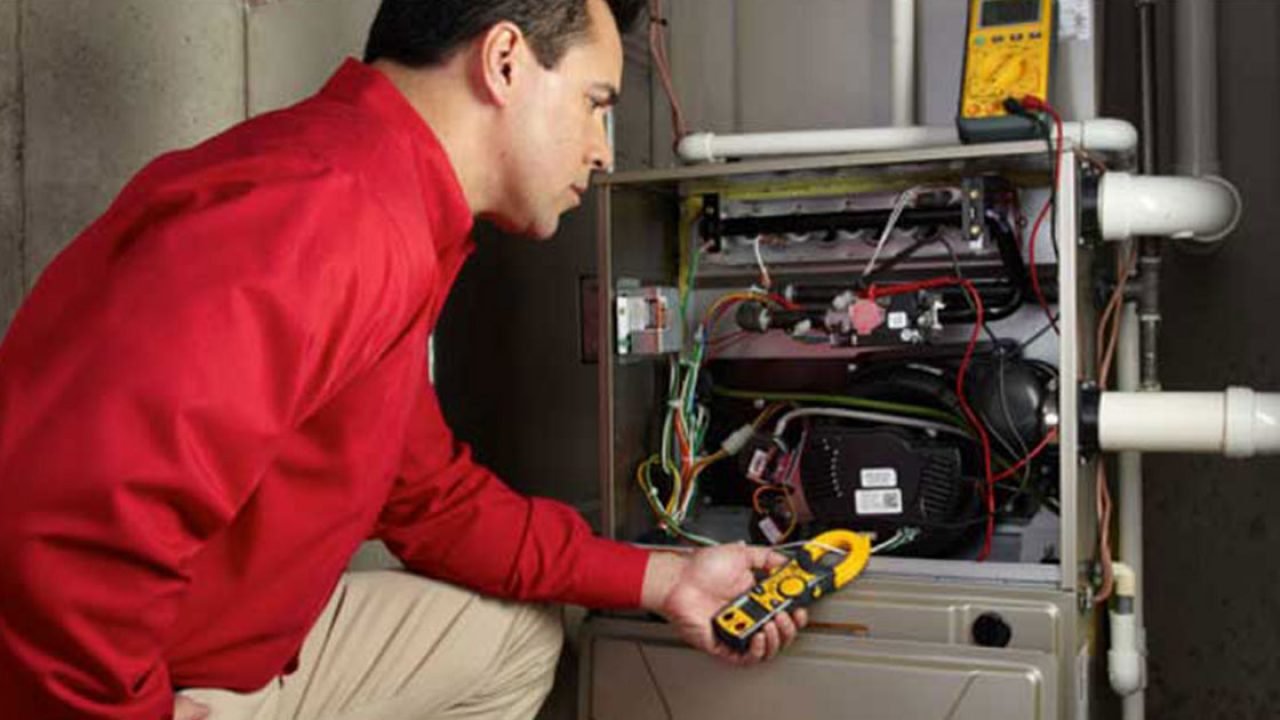
Good installers will run performance checks, including superheat and subcooling measurements and airflow checks. Ask for those numbers and a copy of the startup report. It’s a simple way to confirm the system was commissioned correctly.
How do I choose the right installer in Manor?
Experience, reputation, and transparency matter more than flashy advertising. Look for licensed contractors with local references and a track record of installations similar to yours. Read reviews but focus on specifics: how did the company handle unexpected issues, were warranties honored, and did the final bill match the estimate?
Ask these questions during your vetting process: do you perform Manual J AC Repair in Manor TX load calculations, will you provide an itemized written estimate, who will pull the permits, what brands do you recommend and why, and what does your warranty cover. A professional answer will combine technical detail with clear pricing and realistic timelines.
Meet teams or owners if possible. Local firms like ATX Heating & Air Conditioning often have staff who know Manor’s building stock and can discuss neighborhood-specific issues like attic insulation, common duct layouts, and typical electrical constraints.
Are heat pumps a good option in Manor?
Heat pumps are becoming more common in central Texas because they provide both heating and cooling efficiently. Modern heat pumps perform well in our mild winters and can replace separate furnaces and ACs in many homes. Air-source heat pumps with inverter-driven compressors excel at maintaining consistent temperatures while using less electricity than traditional systems, particularly when replacing older equipment.
If your primary heating need is modest and you want a single system for year-round comfort, a heat pump is worth serious consideration. If you already have a high-efficiency gas furnace and want a reliable backup heating source for rare deep-freeze events, weigh the costs of replacing the furnace versus keeping it. A conversation with your local installer will clarify whether a heat pump model fits your home’s load and ductwork.
How can I make my new system last longer and run cheaper?
First, plan for maintenance. Annual or biannual tune-ups are the most cost-effective longevity measure. Second, invest in good airflow. Clean filters, sealed ducts, and unobstructed return grille locations reduce wear. Third, control the thermostat intelligently. A programmable thermostat or a smart thermostat set properly reduces runtime without sacrificing comfort. But skipping long setbacks on humid days is wise, because prolonged off periods can let humidity rise and then require longer run cycles to recover.
Simple behavioral changes help too. Use ceiling fans to raise perceived comfort by a few degrees, close blinds on sun-facing windows during peak heat, and keep conditioned spaces closed to reduce load. A well-installed system combined with a house that is mindful of solar gain will deliver the best long-term value.
Quick checklist before you sign an installation contract
- confirm the installer performs a Manual J load calculation and provides a written copy. ask for an itemized estimate showing equipment model numbers, SEER rating, coil match, and labor. request details on duct inspection or repair plans and whether those costs are included. verify warranty coverage for parts and labor, and what maintenance is required to keep it valid. check licensing, local references, and whether the company will pull permits and arrange inspections.
Final thoughts if you live in Manor
Buying an AC system is not only about price or a catchy SEER number. It is a practical exercise in matching equipment to your specific home, making sure ducts and controls are right, and choosing an installer who stands behind their work. A properly sized and commissioned system saves money, extends equipment life, and, importantly, keeps your family comfortable when Texas heat is at its worst.
If you want a recommendation for a local contractor who knows Manor and the broader Austin area, ATX Heating & Air Conditioning is a company worth talking to. They handle installations, ongoing AC maintenance in Manor TX, and AC repair in Manor TX. Ask for references from neighbors, insist on a load calculation, and take a few minutes to understand the warranty and maintenance plan before you commit. The right choices up front will keep your home comfortable for years and protect your investment.

ATX Heating & Air Conditioning
13809 Theodore Roosevelt St., Manor, TX - 78653
(737) 406-8083
[email protected]
Website: https://atxheatingandac.com/